

 Watch
Watch
 CASUAL WEAR
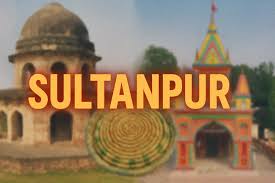
1. Introduction to Sultanpur, Uttar Pradesh
Sultanpur is a historically rich and culturally vibrant city located in the eastern part of Uttar Pradesh, India. Nestled between Lucknow and Prayagraj (Allahabad), Sultanpur serves as an important hub for agriculture, trade, education, and local commerce. The city is renowned for its blend of history, tradition, and emerging modern development, making it a key destination for tourists, investors, and residents.
The city’s strategic location along major highways and rail networks provides excellent connectivity to other parts of Uttar Pradesh and northern India. Sultanpur’s economy thrives on agriculture, small-scale industries, and services, supported by a growing educational and healthcare infrastructure.
Culturally, Sultanpur reflects the diverse heritage of Uttar Pradesh, with ancient temples, mosques, and local festivals celebrated throughout the year. The local markets are bustling with activity, offering traditional handicrafts, textiles, and regional cuisine that showcase the city’s unique identity.
In essence, Sultanpur is a city that balances its historical legacy with modern growth, offering opportunities for tourism, business, and lifestyle improvements. Its combination of geographical advantage, cultural richness, and economic potential makes it one of the notable cities in eastern Uttar Pradesh.
2. History of Sultanpur
Sultanpur boasts a rich historical legacy that mirrors the broader historical evolution of eastern Uttar Pradesh. The city’s origins date back several centuries, and over time, it has witnessed the rise and fall of empires, from medieval sultanates to the Mughal era and British colonial rule.
Medieval Period
- Sultanpur’s name is believed to have originated during the Sultanate period, when it was an administrative and strategic town.
- The city served as a regional hub for trade and governance, with local rulers establishing forts, mosques, and marketplaces.
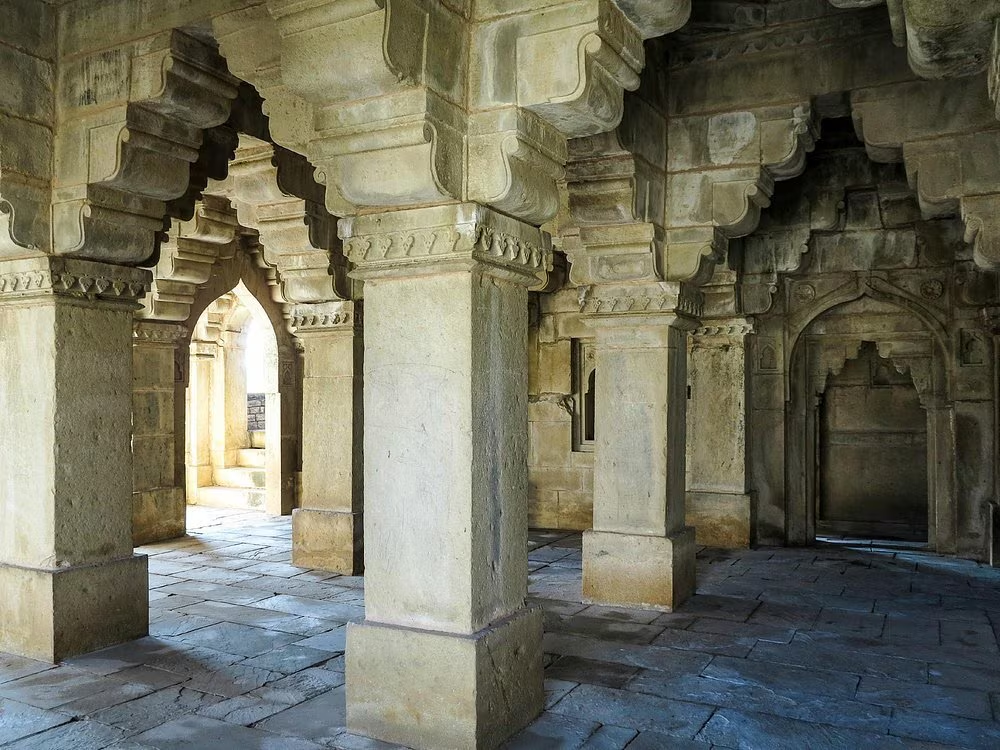
- Architectural remnants from this era, such as mosques and tombs, still reflect the Islamic architectural influence on the region.
Mughal Era
- During Mughal rule, Sultanpur gained importance as a commercial and agricultural center.
- The fertile plains along the Gomti River allowed for extensive farming, contributing to the city’s prosperity.
- Mughal architectural influence is evident in the mosques, gardens, and small forts scattered across the district.
British Colonial Period
- Under British administration, Sultanpur became part of the larger United Provinces, which later became Uttar Pradesh.
- Infrastructure projects, including roads, railways, and administrative offices, helped modernize the city.
- The colonial era also saw the establishment of schools and healthcare facilities, laying the foundation for modern education and public services.
Post-Independence Era
- Since 1947, Sultanpur has evolved into a regional economic and educational hub, while preserving its historical and cultural identity.
- Urban development projects, industrial growth, and enhanced connectivity have contributed to the city’s modern transformation.
- Festivals, local markets, and historical monuments continue to maintain the city’s cultural heritage, attracting both tourists and historians.
3. Geography and Climate of Sultanpur
Sultanpur is strategically located in eastern Uttar Pradesh, forming an important link between Lucknow and Prayagraj (Allahabad). The city’s geography and climate play a significant role in shaping its economy, lifestyle, and cultural practices.
Geography
- Location: Sultanpur is situated on the fertile plains of the Gomti River, which is a major tributary of the Ganges.
- Topography: The region is mostly flat, with rich alluvial soil ideal for agriculture, making farming one of the main occupations in and around the city.
- Rivers and Water Bodies: The Gomti River and several small canals pass through the district, supporting irrigation, local fisheries, and scenic natural spots.
- Nearby Cities: The city is well-connected to Lucknow (130 km), Prayagraj (100 km), and Faizabad (80 km), which enhances trade and commerce.
Climate
Sultanpur experiences a humid subtropical climate, typical of the Gangetic plains:
- Summer (April–June): Hot and dry, with temperatures ranging between 35°C to 42°C. The heat is often intense in May and June.
- Monsoon (July–September): Moderate to heavy rainfall, which supports agricultural activities but may occasionally lead to waterlogging in low-lying areas.
- Winter (December–February): Mild and pleasant, with temperatures ranging from 8°C to 20°C. Nights can get chilly, but daytime temperatures remain comfortable.
- Seasonal Impact: The climate influences crop cycles, festivals, and daily life, making it an important factor for residents and businesses alike.
Natural Features and Agriculture
- The fertile plains around Sultanpur make it ideal for wheat, rice, sugarcane, and pulse cultivation.
- Irrigation from the Gomti River and canals ensures consistent agricultural productivity, which is central to the local economy.
- Local flora includes riverine vegetation, small forests, and cultivated orchards, contributing to the region’s scenic beauty.
4. Economy of Sultanpur
Sultanpur’s economy is diverse and steadily growing, with agriculture forming the backbone while trade, small-scale industries, and services contribute significantly. Its strategic location in eastern Uttar Pradesh and proximity to major cities like Lucknow and Prayagraj have enhanced commercial opportunities and regional economic development.
1. Agriculture: The Core of Sultanpur’s Economy
- Major Crops: Sultanpur is renowned for cultivating wheat, rice, sugarcane, pulses, and vegetables.
- Agro-Based Industries: The fertile plains support rice mills, sugar processing units, and oil extraction industries, which provide employment and contribute to the local economy.
- Irrigation and Water Resources: Proximity to the Gomti River and canal networks ensures year-round irrigation, boosting crop yield and productivity.
2. Trade and Commerce
- Local Markets: Sultanpur’s markets are bustling centers for agriculture produce, textiles, handicrafts, and household goods.
- Wholesale and Retail Trade: Traders from nearby towns and villages rely on Sultanpur for buying and selling goods, making it a regional trade hub.
- Connectivity Advantage: Good road and rail links with Lucknow and Prayagraj facilitate efficient supply chains and trade networks.
3. Small-Scale Industries
- Food Processing Units: Rice mills, sugar factories, and vegetable processing units contribute to industrial output.
- Handicrafts and Textiles: Local artisans produce traditional pottery, embroidery, and textile products for domestic markets.
- Emerging Entrepreneurship: Small businesses and start-ups are increasingly focusing on agriculture services, retail, and digital commerce.
4. Service Sector
- Education: Schools, colleges, and vocational training centers provide employment and skill development opportunities.
- Healthcare: Hospitals, clinics, and pharmacies support the local economy while improving health standards.
- Banking and Administration: Government offices, banks, and administrative services offer stable employment options.
5. Tourism and Cultural Economy
- Local Attractions: Historical monuments, temples, and markets attract tourists, supporting hospitality, retail, and food services.
- Festivals and Fairs: Seasonal fairs contribute to the city’s economy by generating temporary employment and sales for local vendors.
5. Demographics and Culture of Sultanpur
Population
- Sultanpur has a population of over 300,000 people, with a mix of urban and rural residents.
- Communities include Hindus, Muslims, and smaller minority groups, reflecting a diverse cultural fabric.
Languages
- Hindi is the primary language, with Urdu and English used in education, administration, and trade.

Culture and Festivals
- Festivals: Holi, Diwali, Eid, and Muharram are celebrated with great enthusiasm.
- Cuisine: Traditional Uttar Pradesh dishes like kachori, samosa, biryani, and sweets are widely enjoyed.
- Arts and Handicrafts: Local pottery, embroidery, and weaving reflect centuries-old craftsmanship.
6. Educational Institutions in Sultanpur
Education in Sultanpur has seen steady growth over the years, making the city a regional center for learning in eastern Uttar Pradesh. From primary schools to higher education and vocational training institutes, Sultanpur offers a wide range of educational opportunities that cater to both urban and rural populations.
1. Schools in Sultanpur
- Government Schools: Provide affordable education following the UP Board curriculum, ensuring access to basic and secondary education for all children.
- Private Schools: Many private institutions follow CBSE and ICSE curriculums, offering higher standards of teaching, extracurricular activities, and modern facilities.
- Co-Educational & Girls’ Schools: Emphasis on girls’ education has contributed to improved literacy rates and empowerment of women in the district.
2. Colleges and Higher Education
- Degree Colleges: Sultanpur has several colleges offering courses in arts, science, commerce, and professional programs.
- University Affiliation: Many institutions are affiliated with Dr. Ram Manohar Lohia Avadh University and other state universities, ensuring recognized qualifications.
- Professional Courses: Emerging courses in computer applications, management, and teacher training prepare students for modern careers.
3. Vocational and Skill Development Institutes
- Vocational centers provide training in agriculture, IT, industrial trades, and retail management.
- These institutes help youth gain practical skills for employment, bridging the gap between academic education and job readiness.
4. Coaching and Competitive Exam Centers
- Sultanpur hosts coaching centers for UPSC, SSC, banking, and railway exams, which are popular among students aspiring for government jobs.
- Public and private libraries support research, study, and competitive exam preparation.
5. Impact on the City
- Literacy and Awareness: The growing number of educational institutions has increased literacy and awareness in both urban and rural areas.
- Employment Opportunities: Teachers, administrative staff, and vocational trainers contribute to local employment.
- Urban Development: Education has spurred hostel facilities, student accommodations, and related services, supporting economic growth.
7. Tourist Attractions in Sultanpur
1. Gomti River
- Ideal for peaceful walks and small-scale boating activities.
2. Historical Monuments
- Mughal-era Mosques and Tombs: Reflect architectural and cultural heritage.
- Temples: Ancient and modern temples attract pilgrims and tourists alike.
3. Local Markets
- Known for textiles, handicrafts, and local produce.
- Visitors can experience traditional bargaining and cultural immersion.
4. Religious and Cultural Sites
- Mosques, temples, and gurudwaras highlight communal harmony and cultural diversity.
8. Transport and Connectivity
Sultanpur enjoys excellent connectivity that links it to major cities in Uttar Pradesh and beyond, making it a convenient hub for commerce, tourism, and daily commuting. Its transportation network includes roads, railways, and access to nearby airports, ensuring smooth mobility for residents and visitors alike.

1. Road Connectivity
- National Highways: Sultanpur is connected via NH‑31 and state highways, providing seamless access to Lucknow, Prayagraj, Faizabad, and other regional centers.
- State Roads: Well-maintained state highways connect Sultanpur with surrounding towns and rural areas, facilitating local trade and transportation.
- Bus Services: Both government-operated and private buses offer regular routes within the district and to neighboring cities.
2. Rail Connectivity
- Sultanpur Railway Station: Serves as a major rail hub, connecting the city to Lucknow, Varanasi, Prayagraj, and other parts of India.
- Passenger and Express Trains: Daily trains provide convenient options for commuters, students, and business travelers.
- Freight Services: Railways support agricultural and industrial trade, enhancing the local economy.
3. Air Connectivity
- The nearest airport is Chaudhary Charan Singh International Airport, Lucknow, approximately 130 km from Sultanpur.
- The airport provides domestic and international flights, making Sultanpur accessible for business travelers and tourists.
4. Local Transport Options
- Auto-Rickshaws and Taxis: Common for short trips within the city and nearby villages.
- Ride-Sharing Services: Ola, Uber, and local taxi services provide safe and convenient travel options.
- City Buses: Cover major urban areas and are affordable for daily commuters.
5. Impact on Economy and Tourism
- Efficient transport has boosted trade, education, and tourism, linking Sultanpur’s markets and attractions with larger urban centers.
- Proximity to Lucknow and Prayagraj enables business expansion, investment opportunities, and access to modern facilities.
- Tourists benefit from smooth travel to historical monuments, riverside spots, and cultural festivals.
Summary
Sultanpur’s well-developed transport network ensures excellent connectivity by road, rail, and air. This connectivity not only supports economic growth but also makes the city easily accessible for tourists, students, and professionals, positioning it as a significant hub in eastern Uttar Pradesh.
9. Development Projects in Sultanpur
Sultanpur is undergoing steady development across infrastructure, education, healthcare, and industry, aimed at improving the quality of life for residents and boosting its regional importance. These projects reflect the city’s ambition to balance modern growth with its historical and cultural identity.
1. Urban Infrastructure Development
- Road Expansion: Major roads and streets are being widened, and new flyovers are being constructed to reduce traffic congestion.
- Street Lighting and Public Spaces: Initiatives include improved street lighting, parks, and recreational areas for residents.
- Sanitation Projects: Enhanced sewage and drainage systems are being implemented to improve hygiene and reduce flooding during monsoon.
2. Industrial and Economic Growth
- Agro-Based Industries: Expansion of rice mills, sugar processing units, and small-scale agro-industries to boost the local economy.
- Handicrafts and Textiles: Promotion of local crafts through exhibitions and trade fairs.
- Support for Entrepreneurs: Government schemes and incentives encourage small businesses and startups in retail, services, and manufacturing.
3. Educational and Skill Development Initiatives
- School and College Upgrades: Modernization of classrooms, laboratories, and libraries.
- Vocational Training Centers: Programs for youth in IT, agriculture, and technical trades to enhance employability.
- Higher Education Expansion: New courses and collaborations with universities to provide professional and skill-based education.
4. Healthcare Development
- Hospitals and Clinics: Establishment of modern healthcare facilities to provide better medical services.
- Primary Health Centers: Expansion to rural areas ensures healthcare access for all residents.
- Telemedicine Services: Adoption of digital health services to reach remote areas efficiently.

5. Digital and Environmental Initiatives
- E-Governance Projects: Digital services for citizens improve efficiency and transparency.
- Tree Plantation Drives and Water Conservation: Environmental projects aim to improve greenery and manage water resources.
- Waste Management: Efforts to reduce landfill waste and promote recycling across the city.
6. Transportation and Connectivity Upgrades
- Road widening and rail connectivity improvements are ongoing to facilitate trade, commuting, and tourism.
- Proposals for enhanced public transport systems aim to reduce congestion and improve accessibility.
10. Safety and Security
Safety and security are vital components of Sultanpur’s urban planning, ensuring the well-being of residents, visitors, and businesses. With the city’s growing population and economic activities, local authorities have implemented measures to maintain law and order while fostering a secure environment.
1. Law Enforcement
- Police Stations: Sultanpur has multiple police stations covering urban and rural areas, ensuring quick response to emergencies.
- Traffic Management: Regular traffic patrolling, signals, and road safety campaigns help reduce accidents and maintain smooth traffic flow.
- Community Policing: Police engage with local communities to address grievances, maintain harmony, and prevent crime.
2. Public Safety Measures
- Street Lighting: Key roads, markets, and residential areas are well-lit to enhance nighttime safety.
- CCTV Surveillance: Public spaces and crowded areas are monitored to prevent theft and ensure security.
- Emergency Services: Fire stations, ambulances, and disaster management teams are operational to handle medical or fire emergencies efficiently.
3. Safety for Tourists
- Precautions: Visitors are advised to avoid isolated areas at night, secure personal belongings, and use registered transport services.
- Tourist Assistance: Help desks and local guides are available at historical and cultural sites for information and emergency support.
- Cultural Awareness: Respect for local traditions and customs helps maintain a harmonious environment for tourists.
4. Community and Social Safety
- Cultural Harmony: Sultanpur has a long-standing tradition of communal coexistence, reducing risks of social conflict.
- Neighborhood Watch Programs: Some residential areas have community-driven safety initiatives to monitor and report suspicious activities.
- Public Awareness Campaigns: Citizens are regularly educated on road safety, health precautions, and emergency preparedness.
5. Challenges and Ongoing Improvements
- Traffic Congestion: Busy markets and festivals can cause temporary congestion.
- Flooding Risks: Seasonal rains occasionally affect low-lying areas.
- Minor Theft: Crowded places may experience petty theft, which is managed by active policing.
11. Local Cuisine and Food Scene
- Street Food: Kachori, samosa, chaat, jalebi, and other local favorites.
- Traditional Restaurants: Offer North Indian and Mughlai dishes, including biryani, kebabs, and vegetarian specialties.
- Sweets: Pedas, barfis, and seasonal desserts are popular during festivals.
- Cultural Fairs: Food stalls at festivals provide an authentic taste of the city’s culinary heritage.
12. Shopping in Sultanpur
Sultanpur offers a vibrant shopping experience, reflecting its cultural heritage, local craftsmanship, and urban growth. From bustling traditional markets to modern stores, the city caters to both residents and visitors looking for authentic products, fashion, and everyday goods.
1. Traditional Bazaars
- Local Markets: Streets and lanes are lined with shops selling textiles, clothing, jewelry, household items, and agricultural produce.
- Crowd & Festivities: Markets are lively, especially during festivals like Diwali, Holi, and Eid, offering seasonal goods and special discounts.
- Cultural Immersion: Shopping in these bazaars allows visitors to experience local life, bargaining culture, and traditional products.
2. Handicrafts and Local Artisans
- Textiles and Embroidery: Traditional sarees, kurtas, and embroidered garments showcase Sultanpur’s rich textile tradition.
- Pottery and Decorative Items: Handmade ceramics, wooden carvings, and brassware reflect local craftsmanship.
- Unique Souvenirs: Tourists can buy authentic handicrafts as gifts or keepsakes.
3. Clothing and Fashion
- Traditional Attire: Sarees, ethnic wear, and festive outfits are popular among locals and tourists.
- Modern Garments: Shops also offer ready-to-wear clothes, casual wear, and footwear.
- Accessories: Jewelry, handbags, and local leather goods complement the fashion offerings.
4. Bargaining Tips
- Negotiation: Bargaining is common in traditional markets, and shoppers can get better prices with polite negotiation.
- Best Time to Shop: Early mornings or weekdays avoid the heavy crowds.
- Festive Shopping: Prices may vary during festive seasons, but the variety and deals are greater.
5. Modern Retail Options
- Supermarkets and Stores: Provide groceries, clothing, and household goods with convenience.
- E-Commerce: Local vendors are increasingly offering online orders and delivery services for city residents.
13. Conclusion: Why Visit or Invest in Sultanpur?
Shopping in Sultanpur is a vibrant experience, offering a mix of traditional bazaars, modern stores, and local handicrafts. The city’s markets reflect its cultural heritage, agricultural abundance, and growing urban lifestyle, making it a popular destination for both residents and visitors.
1. Local Markets and Bazaars
- Traditional Bazaars: Streets are lined with shops selling textiles, clothing, jewelry, and household items.
- Agricultural Produce: Fresh fruits, vegetables, and grains from local farms are widely available.
- Crowded Hubs: Markets are lively, especially during festivals, attracting shoppers from nearby towns and villages.
2. Handicrafts and Traditional Goods
- Pottery and Ceramics: Handmade decorative items, utensils, and pottery are crafted by local artisans.
- Textiles and Embroidery: Traditional fabrics, embroidered garments, and sarees showcase Sultanpur’s rich textile culture.
- Decorative Items: Wooden carvings, brassware, and wall hangings are commonly found in local shops.
3. Clothing and Fashion
- Traditional Attire: Sarees, kurtas, and ethnic wear are popular among locals and tourists.
- Modern Garments: Ready-made clothes for men, women, and children are available in local shops.
- Footwear and Accessories: Leather goods, sandals, and jewelry complement traditional and modern clothing.
4. Bargaining Tips
- Haggling is Common: Shoppers can often negotiate prices for better deals, especially in traditional markets.
- Best Time to Shop: Early mornings or weekdays offer a more relaxed shopping experience.
- Festive Season Shopping: During Diwali, Eid, and other festivals, special discounts and seasonal goods are available.
5. Modern Shopping Options
- Supermarkets and Retail Stores: Offer groceries, household items, and clothing in a convenient format.
- Emerging E-Commerce: Local businesses are gradually adopting online platforms for home delivery.
Summary
Shopping in Sultanpur combines traditional charm with modern convenience. From bustling markets with handicrafts and textiles to supermarkets and retail stores, the city provides a diverse and immersive shopping experience. Visitors and residents alike can enjoy authentic local products, seasonal goods, and cultural immersion while exploring the city’s commercial hubs.
SEO-Friendly Tags (with Comma):
Sultanpur, Sultanpur UP, Sultanpur history, Sultanpur tourism, Sultanpur attractions, Sultanpur markets, Sultanpur culture, Sultanpur education, Sultanpur economy, Uttar Pradesh cities, travel to Sultanpur, Sultanpur food, Sultanpur shopping, Sultanpur connectivity, Sultanpur transport, Sultanpur heritage, Sultanpur guide, Sultanpur places to visit, Sultanpur development, Sultanpur safety

[…] Income Tax Department of India plays a crucial role in strengthening the nation’s economy. It is responsible for collecting direct taxes, preventing tax evasion, and ensuring that the […]