

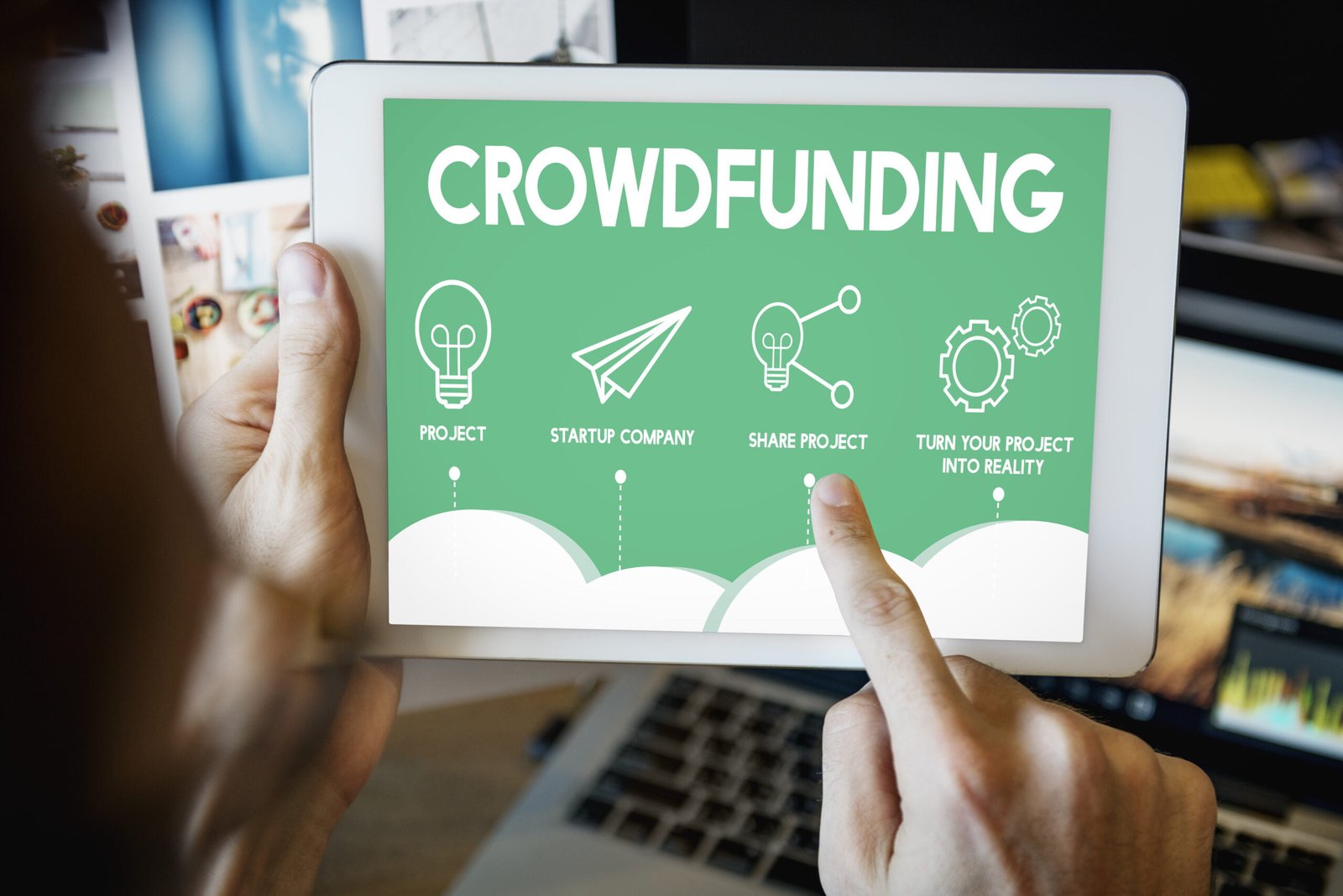
Starting a crowdfunding website can be a rewarding venture, enabling you to facilitate fundraising for a wide range of projects and causes while providing a platform for creators to connect with backers. This article provides a step-by-step guide on how to start a crowdfunding website, covering essential aspects such as planning, platform selection, legal considerations, and launch strategies.
1. Define Your Crowdfunding Niche and Platform Type
Before diving into the technical aspects, define the niche and type of crowdfunding platform you want to create. Consider these key factors:
- Choose a Niche: Decide whether your platform will focus on reward-based crowdfunding (e.g., Kickstarter), donation-based crowdfunding (e.g., GoFundMe), equity crowdfunding, or a hybrid model.
- Target Audience: Identify your target audience and the types of projects or causes they are likely to support. Understanding your audience will help tailor your platform’s features and marketing efforts.
2. Research and Planning
- Market Research: Conduct thorough market research to understand existing competitors, their strengths, weaknesses, and opportunities. Identify gaps in the market that your platform can fill.
- Business Plan: Develop a comprehensive business plan outlining your platform’s mission, vision, revenue model, marketing strategy, and growth projections. This plan will serve as a roadmap for your crowdfunding website.
3. Choose the Right Technology and Development Approach
- Select a Platform: Decide whether to build your crowdfunding website from scratch using custom development or use existing crowdfunding software solutions and platforms (e.g., Fundify, IgnitionDeck, or Invested.in).
- Technical Requirements: Consider factors such as hosting, security measures (SSL certificates, data encryption), payment gateway integration (PayPal, Stripe), and scalability to accommodate growth.
4. Legal and Regulatory Compliance
- Business Entity: Choose a suitable legal structure for your crowdfunding platform (e.g., LLC, corporation) and register your business accordingly.
- Terms of Service and Privacy Policy: Draft comprehensive terms of service and privacy policies that outline user rights, responsibilities, dispute resolution, and data protection practices.
- Financial Regulations: Understand and comply with financial regulations and securities laws applicable to crowdfunding in your jurisdiction (especially for equity crowdfunding).
5. Build Your Platform Features
- User Registration and Profiles: Allow users (both project creators and backers) to register accounts, create profiles, and manage their projects or contributions.
- Project Creation: Provide intuitive tools for project creators to set up campaigns, upload media (videos, images), write descriptions, set funding goals, and define rewards or incentives.
- Payment Processing: Integrate secure payment processing systems to handle transactions between backers and project creators. Ensure transparency and accountability in fund disbursement.
- Social Sharing and Promotion: Include features for social sharing, campaign promotion, and embedding campaign widgets on external websites to increase visibility.
6. Launch and Marketing Strategy
- Pre-launch Campaign: Build anticipation for your crowdfunding platform by launching a pre-launch campaign, promoting your mission, and encouraging early adopters to sign up.
- Content Marketing: Develop compelling content (blogs, videos, infographics) that educates users about crowdfunding, highlights successful campaigns, and showcases the impact of contributions.
- SEO and SEM: Optimize your website for search engines (SEO) and consider running targeted advertising campaigns (SEM) to attract both project creators and backers.
- Partnerships and Outreach: Collaborate with influencers, organizations, and communities aligned with your platform’s niche to expand your reach and attract a diverse user base.
7. Monitor, Evaluate, and Adapt
- Analytics and Metrics: Implement analytics tools to track user engagement, campaign performance, conversion rates, and user feedback. Use this data to refine your platform and marketing strategies.
- Customer Support: Provide responsive customer support to address user inquiries, technical issues, and feedback promptly. Maintain open communication channels to build trust and loyalty.
- Continuous Improvement: Stay updated with industry trends, user preferences, and regulatory changes. Continuously iterate and improve your platform based on user insights and market feedback.
8. Ensure Sustainability and Growth
- Monetization Strategies: Explore revenue streams such as transaction fees (percentage of funds raised), premium features for project creators, advertising, and partnerships.
- Community Building: Foster a vibrant community of backers, project creators, and supporters through engagement initiatives, forums, and events that strengthen connections and encourage ongoing participation.
- Scaling: Plan for scalability by investing in technology upgrades, expanding your team, and diversifying your services to support a growing user base and increasing demand.
Conclusion
Starting a crowdfunding website requires careful planning, technical expertise, legal compliance, and effective marketing strategies. By focusing on defining your niche, building a user-friendly platform, complying with regulations, and executing a robust launch and marketing plan, you can create a successful crowdfunding platform that supports diverse projects and fosters community engagement. Continuously monitor and adapt your approach to meet evolving user needs and industry trends, ensuring sustainable growth and impact in the crowdfunding ecosystem.