

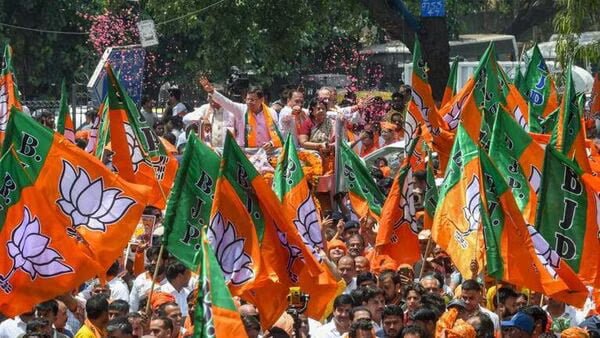
Election Overview
The results of the recent Indian parliamentary elections have created a significant buzz across the nation. While the Bharatiya Janata Party (BJP), led by Prime Minister Narendra Modi, emerged as the single largest party, it fell short of securing an outright majority in the Lok Sabha, necessitating the formation of alliances to govern. The BJP’s performance, although strong, did not meet the ambitious target of 400 seats that many party leaders and supporters had hoped for. This article delves into the reasons behind this outcome and analyzes where the BJP’s strategy may have faltered.
BJP’s Performance and the Coalition Requirement
In the latest elections, the BJP secured 240 seats, falling 32 seats short of the 272 seats required for a simple majority in the 543-member Lok Sabha. This outcome means that the BJP will need to rely on its National Democratic Alliance (NDA) partners to form a stable government. While this is not an unprecedented situation for Indian politics, it does mark a significant moment for the BJP, which had previously enjoyed a comfortable majority in the2014 and 2019 elections.
Factors Contributing to BJP’s Shortfall
Several factors contributed to the BJP’s inability to reach the 400-seat mark:
- Anti-Incumbency Factor: After nearly a decade in power, the anti-incumbency sentiment played a crucial role. Voters in various regions expressed dissatisfaction with local governance, economic issues, and unfulfilled promises, leading to a reduced vote share for the BJP.
- Economic Challenges: Despite efforts to highlight economic reforms and development projects, the BJP faced criticism over unemployment rates, inflation, and agricultural distress. These economic challenges resonated particularly in rural areas, impacting the party’s electoral performance.
- Regional Parties’ Strength: Regional parties demonstrated significant strength in their respective states. Parties like the Trinamool Congress (TMC) in West Bengal, the Dravida Munnetra Kazhagam (DMK) in Tamil Nadu, and the Samajwadi Party (SP) in Uttar Pradesh retained their strongholds, preventing the BJP from making substantial inroads in these regions.
- Caste and Community Dynamics: The complex caste and community dynamics in Indian politics played a crucial role. The Bharatiya Janata Party strategies to consolidate Hindu votes faced challenges in states with a diverse electorate, where regional and caste-based parties mobilized effectively.
- Campaign Strategy: While the Bharatiya Janata Party campaign was extensive, some critics argue that it relied heavily on nationalistic rhetoric and Modi’s personal charisma, potentially alienating voters concerned with local issues. Additionally, there were criticisms about the lack of new and substantive policy proposals.
Where Did BJP Get It Wrong?
- Overconfidence: The Bharatiya Janata Party overconfidence may have led to complacency in addressing grassroots issues. The party’s expectation of an easy victory might have resulted in inadequate focus on local-level campaigning and problem-solving.
- Neglecting Allies: In some instances, the Bharatiya Janata Party dominant approach within the NDA may have caused friction with smaller alliance partners. Ensuring stronger ties and better coordination with allies could have secured additional seats.
- Polarizing Politics: The party’s emphasis on polarizing issues, while consolidating certain voter bases, also alienated other segments. A more inclusive approach might have garnered broader support.
- Candidate Selection: Controversial candidate selections and internal party disputes in certain constituencies weakened the Bharatiya Janata Party prospects. Ensuring better candidate vetting and resolving internal conflicts more effectively could have improved outcomes.
Moving Forward
To navigate the coalition landscape effectively, the Bharatiya Janata Party will need to focus on rebuilding alliances, addressing economic challenges, and paying closer attention to regional issues. Strengthening its ties with NDA partners and adopting a more inclusive and locally responsive approach will be crucial for stable governance and future electoral success.
The recent election results serve as a reminder of the dynamic and complex nature of Indian politics. As the Bharatiya Janata Party strategizes for the future, understanding and addressing the diverse needs of the electorate will be key to sustaining its political influence and achieving its ambitious goals.